← Back to Projects
MDL Pattern Discovery: ARC-AGI 2
Robotic Intelligence — Novel “Growing Neighbors” Phenomenon in MDL Filter Space
Discovery · Probed for robotic deployment2025 – 2026Independent research contributionUniversity interest · Robogio CEO review
Project Overview
Introduced a novel Growing Neighbors growth function in MDL filter space while analyzing ARC-AGI 2 puzzle patterns: filter activations expand outward in a spatially coherent, neighbor-dependent cascade that mirrors the logical structure of abstract reasoning tasks.
This growth behavior had never been formally described in this context, especially alongside Minimum Description Length (MDL), a genuine research contribution at the intersection of information theory, computer vision, and abstract reasoning.
Highlight
Impact & Results
- Introduced the Growing Neighbors growth function, a novel emergent phenomenon in MDL filter space
- Discovery significantly increased ARC-AGI 2 accuracy
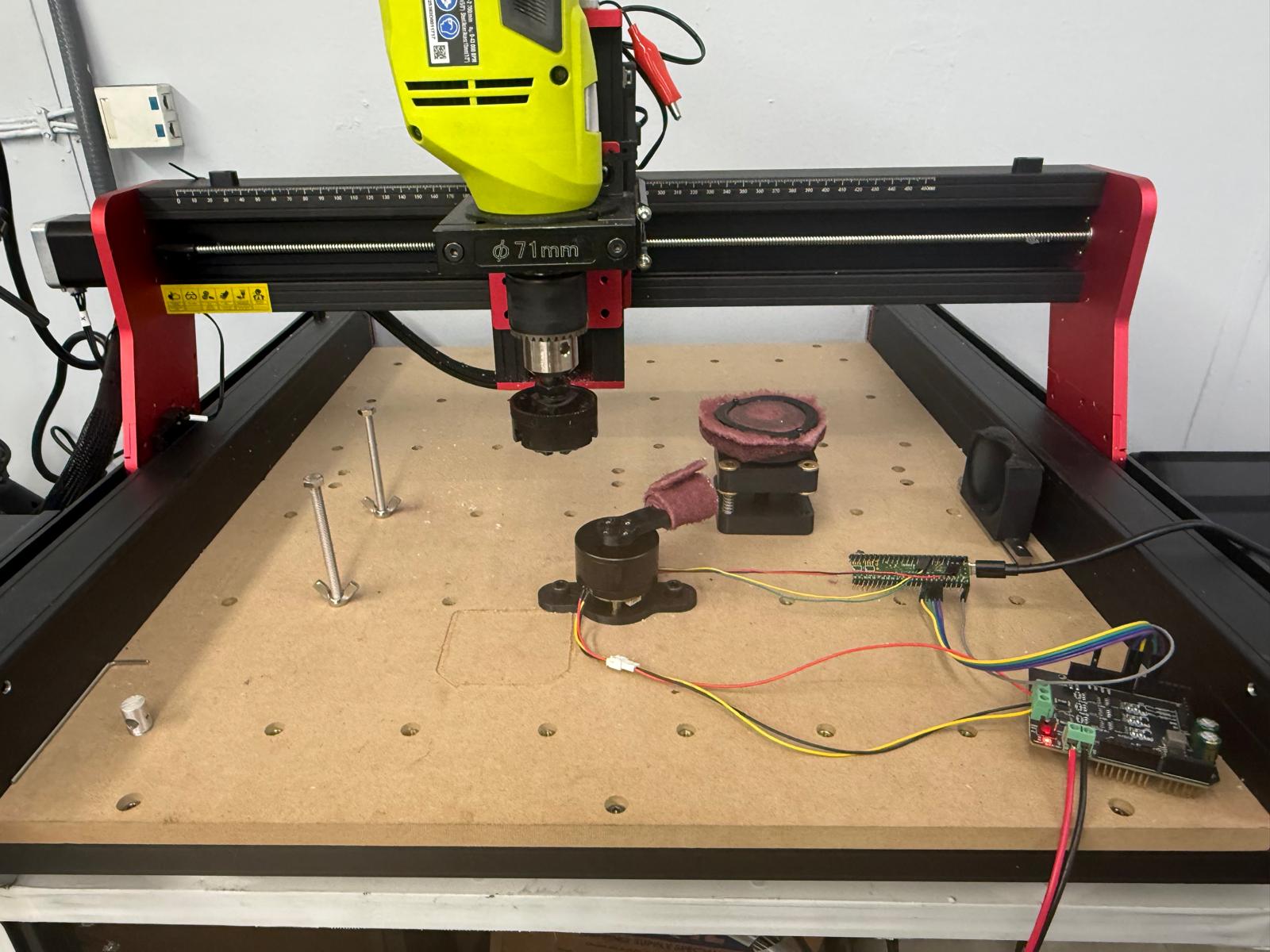
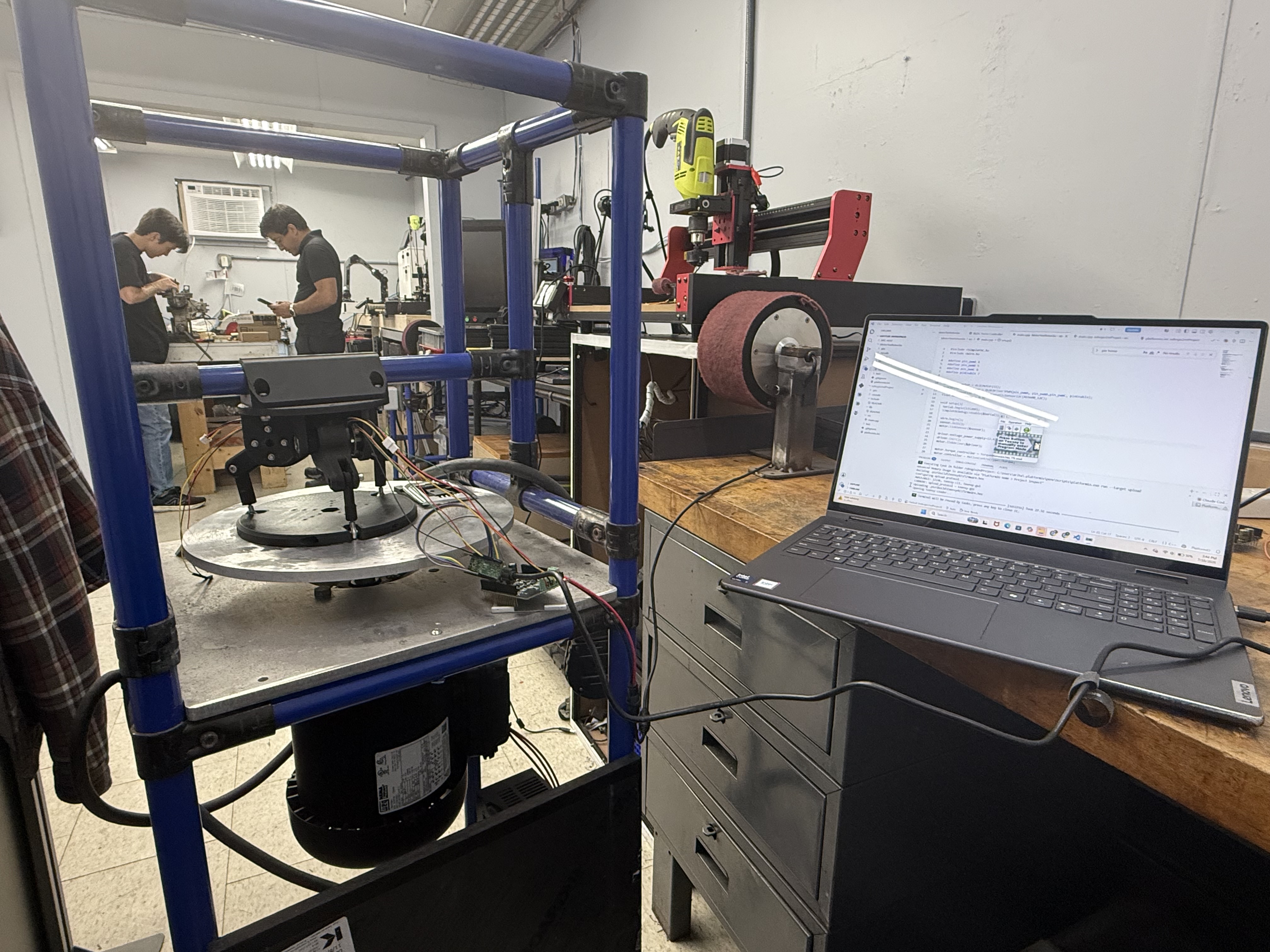
- Probed by the CEO to be installed into Robogio’s automated robotic machines for real-time pattern recognition
- Attracted interest from a university professor in Upstate New York for potential research collaboration or publication
Key Features
- MDL-based pattern discovery pipeline for ARC-AGI 2 puzzles
- Introduced the Growing Neighbors growth function: neighbor-dependent cascade expansion in filter activation space
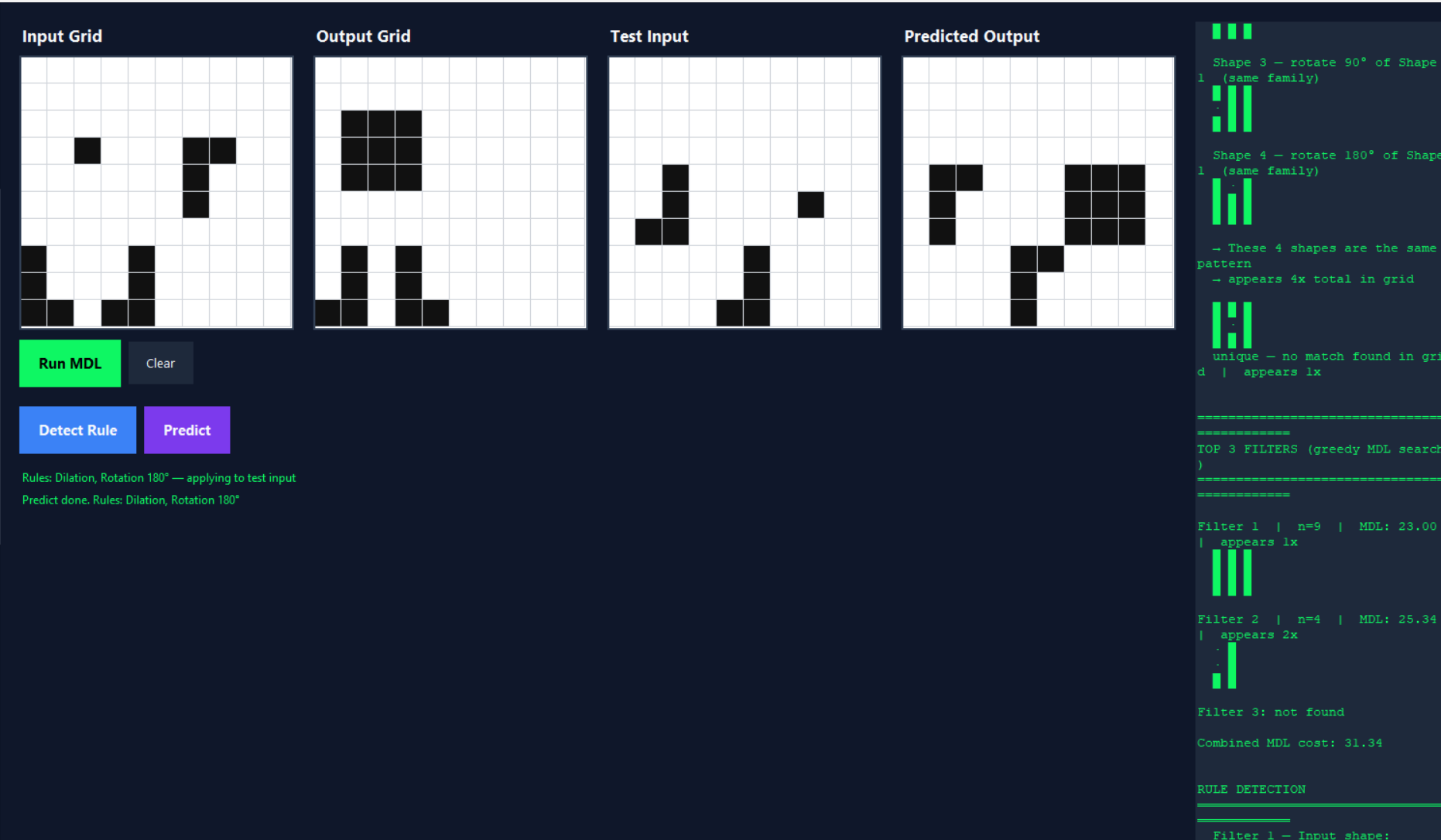
- Rule extraction linking dilation, rotation, and related transforms
- Interactive Run MDL / Detect Rule / Predict workflow for live probing
- Greedy MDL search ranking top filters by occurrence and description length cost
Technical Challenges
- Formalizing an emergent filter-space growth behavior that had not been described before
- Connecting information-theoretic MDL costs to spatially coherent reasoning patterns
- Improving ARC-AGI 2 accuracy without sacrificing interpretability of discovered rules
- Translating abstract-grid findings into signals usable by robotic perception stacks
Technologies Used
Minimum Description Length (MDL)ARC-AGI 2Computer VisionAbstract ReasoningPattern RecognitionInformation Theory